Britain cannot build a prosperous future by propping up inefficient, outmoded and struggling businesses by giving them a free hand to import cheaper migrant labour. For too long, politicians have gone along with employers’ demands for more labour, ostensibly because of skills or labour shortages. Yet filling vacancies and raising living standards are different things. A bigger economy can still leave its people no better off if output per person doesn’t improve.
Mass immigration can subsidise a business model founded on cheap labour. When another recruitment drive abroad is available, the pressure to improve wages, train existing residents or invest in machinery weakens. Employers enjoy the immediate convenience; the country inherits the longer-term consequences. We should judge immigration policy by whether it makes Britain more productive, rather than whether it keeps today’s staffing arrangements intact.
Migration Watch has warned about this for years. In 2016, we said lower-skilled migration “maintains the UK’s poor productivity levels while pushing down some of the lowest wages, especially in the care sector”. The solution we advocated was better wages and improved working conditions. Regrettably, politicians chose a different path, with: poor wages, questionable e working conditions, sustained by continued recruitment of foreign workers willing to work for less, culminating importation in the disastrous army of migrant care workers and their dependants. Our 2019 paper on immigration and productivity also stressed that trying to solve labour shortages by importing labour, rather than focussing on improving skills, wages and automating, would be a mistake.
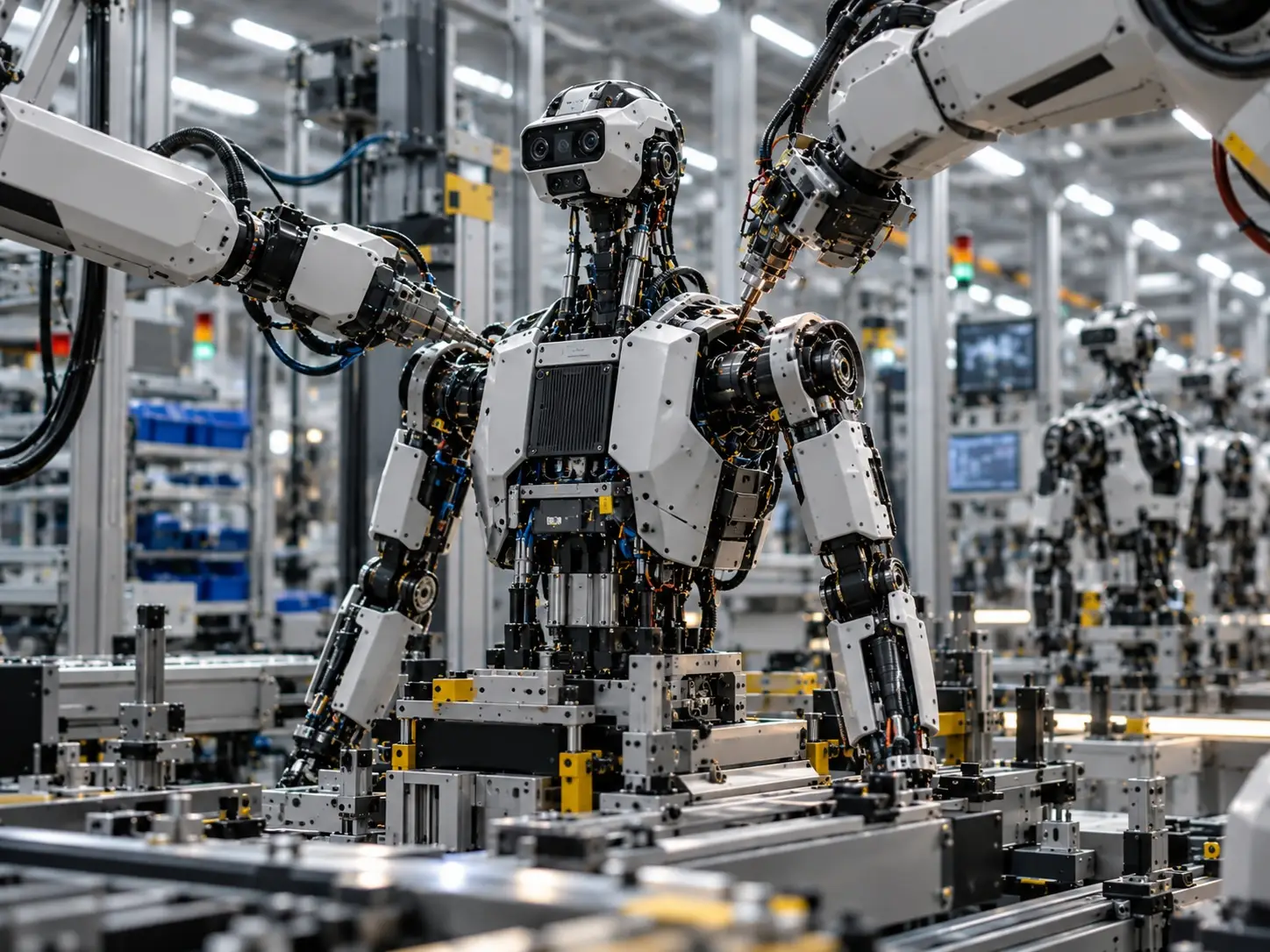
Research in Denmark by Katja Mann and Dario Pozzoli examined employment conditions and the workforce between 1995 and 2019. They estimated that a one percentage point increase in the local share of non-Western migrant workers reduced the probability of large firms adopting robots by about 12%. Their explanation was substitution: cheap workers performing routine tasks discouraged investment in expensive robotics. Migration-fuelled labour gluts can postpone the adjustment that a more productive economy requires.
Japan offers a different response to labour shortages. It plans for ten million AI-equipped robots by 2040, rather than following Britain’s model of mass uncontrolled migration. Stanford research on Japanese nursing homes found that care robots eased retention problems and increased care-worker employment by 28%. They helped staff do their jobs, illustrating how investment can improve working conditions and expand capacity. Britain should take thais lesson seriously. The technology is no longer theoretical. It is already being deployed effectively in other countries, and there is no good reason why we could not follow suit.
But this is not simply an economic question. Care homes can change their business model much faster than a country can provide for a rapidly growing population. Some 650,000 care workers and their dependants came in the period 2022 to 2024. The consequences of such a massive flow of people extends far beyond power-skill workers being recruited for particular jobs. Just as concerning – perhaps more so – as the rules now stand, and according to to the Home Secretary, 1.6 million people are in line to qualify for indefinite leave to remain (ILR) by 2030 (and thus full access to generous welfare and benefits), and potentially onto permanent benefits dependency should they become unemployed. Moreover, they and their families would still need homes, schools and healthcare. As we have seen time and time again, such circumstances are a recipe for tension, turmoil and instability.
Meanwhile, UK-born workers would also face disruption. We believe this strengthens the case for preparing the public for technological change. We also need a debate on credible plans for training, automation, better pay and work conditions, as well as investment in sectors that turn to overseas labour with knee-jerk reactions. Here’s some of our own work on labour shortages and how immigration can stymie innovation.
Regarding work migration, we need a controlled, properly managed – and capped – system that gives due weight to skills and earnings, limited accompanying dependants and no automatic qualification for ILR, which should not be even considered unless people have lived and paid into the system for at least 10 years. Businesses must also be firmly encouraged to invest in research and use of technology, while committing to training re-skilling of the domestic workforce.
Robotics and AI offer us an opportunity to wean ourselves off immigration, if only our government had the nous and gumption to stand up to the mass immigration and open borders zealots. Somehow, this seems unlikely under a government led by Andy Burnham.