This week, UK Border Force escorted a single inflatable dinghy into Dover carrying 230 people. The boat broke a record set just seventeen days earlier. And no wonder – the French authorities have adopted a hands-off approach, allowing dinghies like this to set off to be collected once they enter British waters.
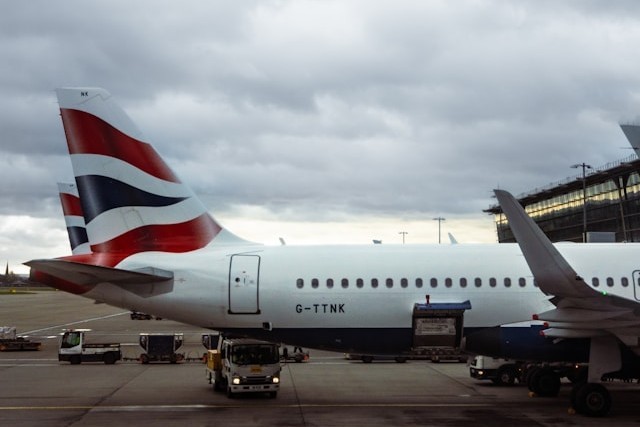
It’s worth putting this in perspective. Those 230 Channel migrants on that single boat are the equivalent of a Boeing 737 packed to the brim with passengers. In comparison, 813,000 people migrated to Britain legally in 2025 alone, with the state’s blessing and signature: or, put another way, over 3500 fully-packed Boeing 373 jets in a single year. The dinghies are a fraction of the story and we have never pretended otherwise. But they are the fraction on which Johnson, Sunak, Starmer and now Burnham have staked their governments on fixing. So why have successive Prime Ministers so comprehensively failed to solve what has become an ever more intractable, costly and dangerous problem?
It’s because we have built a system which continually ratchets up pull factors. 95% of small boat migrants claim asylum, and only 4% are ever removed. This means small boat migrants can remain here for many years, at your expense, and in practice for the rest of their life, to enjoy an expanding range of benefits. This week, we learned ministers are weighing paying above-market rents to place asylum seekers in more expensive areas. It’s no surprise that this so-called “dispersal” of asylum seekers appears, among other things, to correlate with increased sexual violence (a 500% increase in sexual violence in north-east England since 2014, for example). Former Conservative minister Edwina Currie suggests, facetiously, that this clear and present danger to women and children could be averted with state-funded brothels for the new arrivals. Or, to put it another way, add a cherry to the cake of taxpayer funded housing and welfare. Ms Currie may have been joking but don’t be surprised if the smugglers weave her remark into their marketing strategy as a serious proposal.
The gangs have, of course, taken full advantage of the situation by professionalising, with better boats and bigger hulls, built to specification. Larger boats mean ticket prices can be cut while the gangs still make huge profits. The Daily Telegraph reports a Channel crossing went for €600 – roughly £513 – in the aftermath of the attempted invasion of Ceuta, down €200 in a week. Many of these cut-price tickets come with riders such as paths into criminality. Even with discounted rates, Monday’s boat will have grossed some £120,000.
While the gangs make fortunes sending boats off, the French government continues to sign lucrative “agreements” with its British counterpart to stop them, no doubt fully expecting the demand for illicit crossings to continue unabated.
The maths is not complicated. The gangs profit from the crossings, France benefits from the crossings, while the migrants benefit with free housing, support and the near-certainty of remaining once here. Everyone does well out of this transaction except the put-upon British taxpayer who is forced to pay up and shut up.