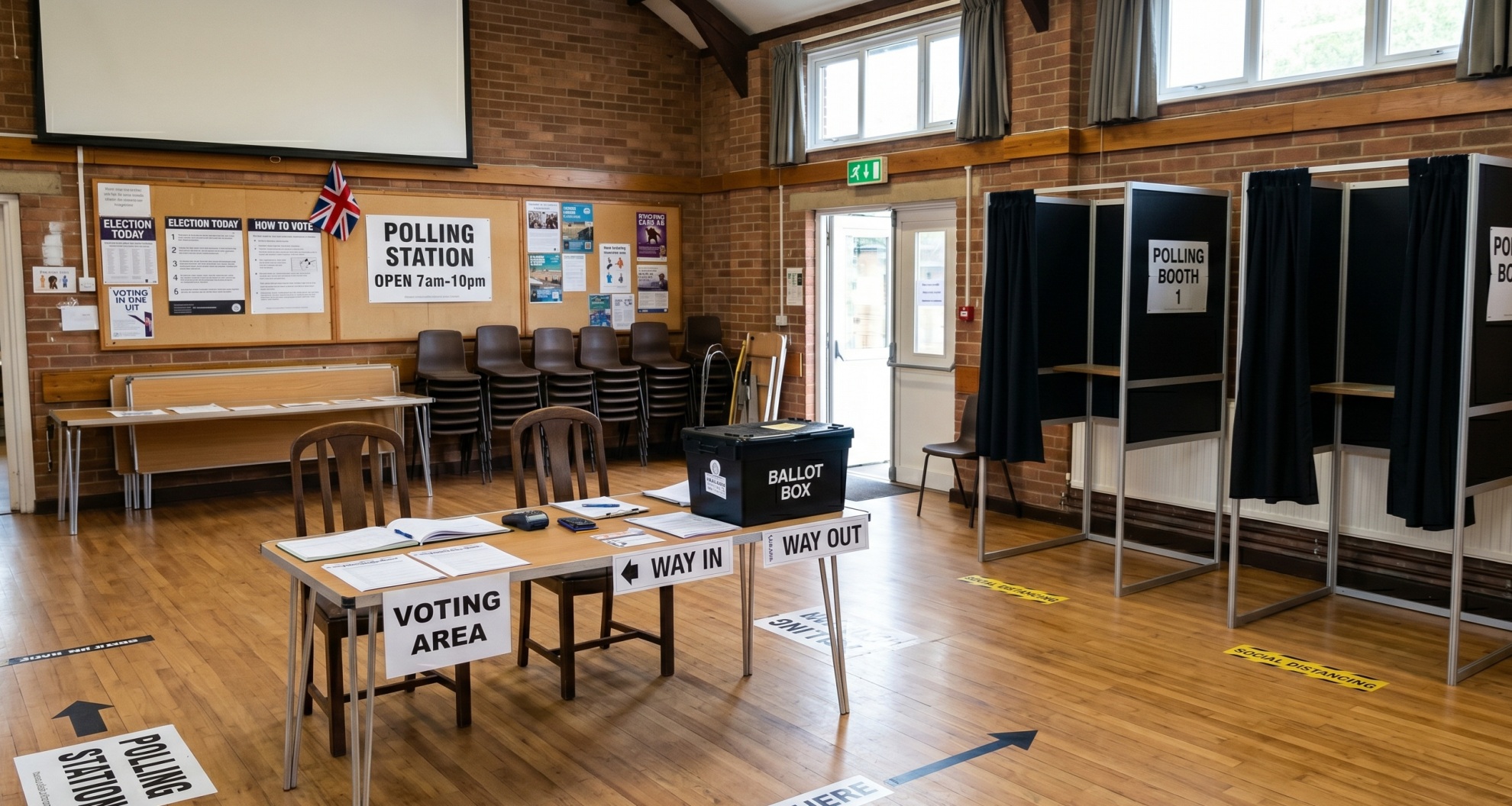
While the votes are still being counted in some areas of the country, the message from Thursday’s elections, especially in England and Wales, is unmistakable. The voters have delivered their verdict on the political establishment: “we have had enough of you”.
Local elections are, of course, primarily about local matters. Bin collections, potholes, and planning decisions are the bread and butter of council politics. But it has always been largely a fiction to pretend that voters walk into polling stations without considering what is going on in Westminster. In 2026, the link between national and local is stronger than ever, because the issues voters care about most (housing, social care, pressure on public services, and so on) are increasingly influenced and shaped by national immigration policy. When the government requisitions hotels in your town to house asylum seekers, or when council waiting lists lengthen because population growth has outstripped housebuilding by hundreds of thousands, the policy might be set nationally but the effects are local.
Voters are angry, and they have every right to be. They are angry that the government spent £2.1 billion in a single year housing asylum seekers in hotels – more than the entire budget of some county councils – while British families languish in temporary accommodation. They are angry that local authorities are being invited to divert housing stock for asylum seekers at a time when their own constituents cannot find an affordable home. And they are angry that, after years of promises from both main parties, net migration (and in particular huge inflows) remains at historically extraordinary levels with no credible plan to bring it under control.
Reform UK has prospered because it has been willing to articulate what the public already thinks and wants. Its manifesto commitments on immigration, such as a freeze on non-essential visas, withdrawal from the European Convention on Human Rights, and a zero target for illegal immigration, are more in tune with the national zeitgeist. It is also worth noting that the Conservatives have, perhaps, not fared as badly as once seemed likely, because because of a much more realistic stance on immigration.
Politicians of all stripes would do well to pay close attention to the mood music. These results are not a mere protest vote. The public wants immigration reduced: not managed, not reviewed, not subjected to yet another consultation – reduced! Any politician who refuses to act on that clear and democratic instruction does so at their own electoral peril.