
Statistics

Migration Watch UK monitors and analyses official immigration and population statistics. We chart trends, report key developments, and provide clear, accessible insights to help understand migration and its impact on the UK.

Our Statistics

Immigration has become the defining issue of our time. In the year 2024, 97% of population growth was due to immigration; since the turn of the millennium, Britain’s population has exploded, mostly due to immigration; and we have lost what little control we had of our borders since the crisis of illegal migrants arriving by small boats crossing the Channel began in 2018. 
 
We have continually and forcefully made the argument that, unless Britain restores control over its migration numbers – legal and otherwise – there will be a major crisis in the country as our public services struggle to meet demand. That crisis is here: we have a permanent housing shortage; over 2,000 migrants register for a GP with the NHS every day; and the state’s ability to deport those people who are here illegally has collapsed. 
0

Net migration since 2000

0

Gross migration since 2021

0

English Channel crossings since 2018

Map of Europe

Channel Crossing Tracker

The Channel Crossings Tracker records people intercepted crossing the English Channel in small boats, providing up-to-date figures on daily and total crossings, as well as highlighting trends, peaks, and patterns over time to give a clearer picture of ongoing migration activity.
Statistics

Migration Statistics

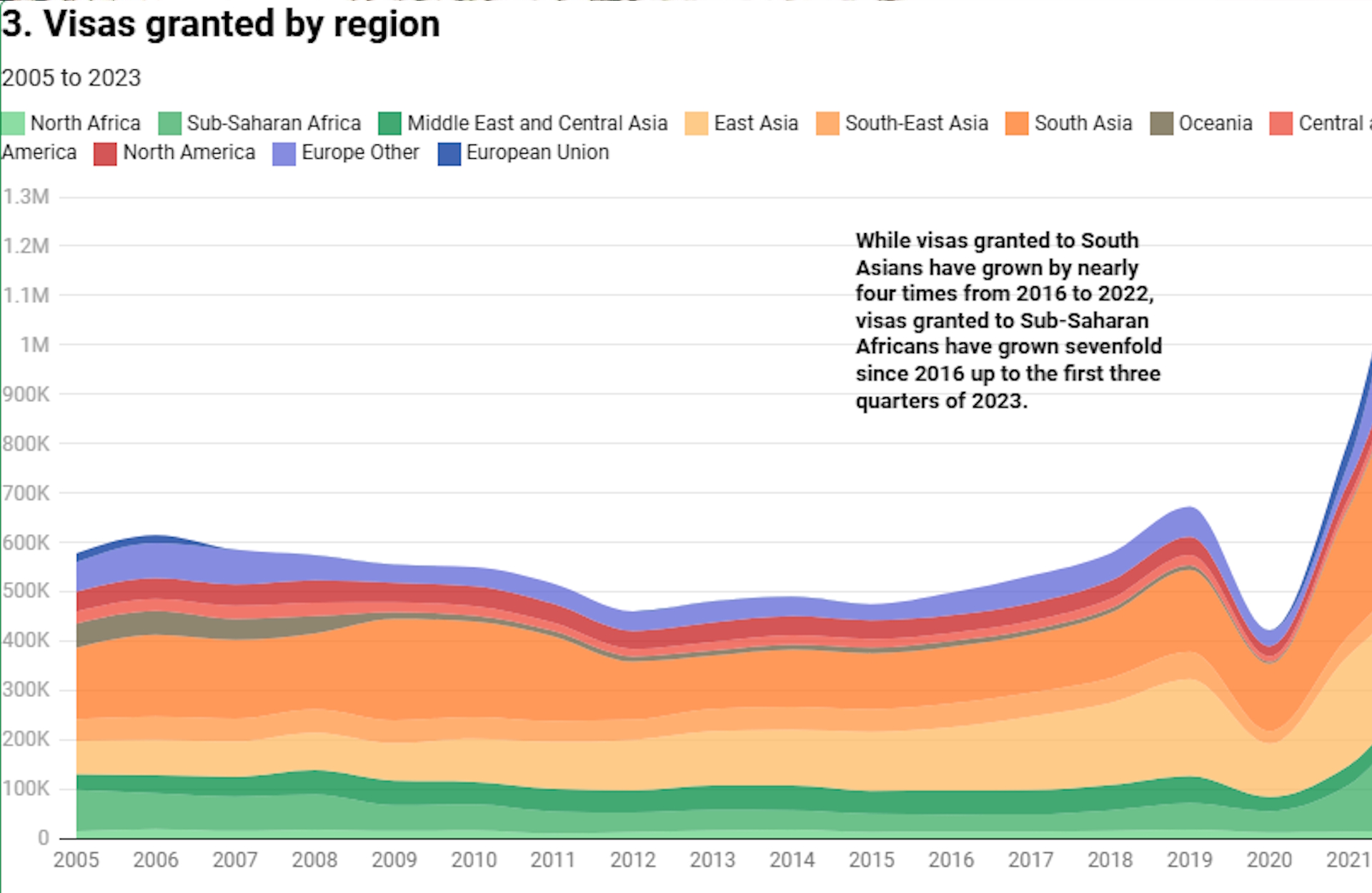
Here we present key data showing how migration figures have changed across the years. By charting long-term trends in arrivals, asylum applications, and population movement, it offers a clear historical view of migration patterns. This tells the story of how migration has evolved and the context behind current numbers.
Map of UK and France

Channel Migrant Map

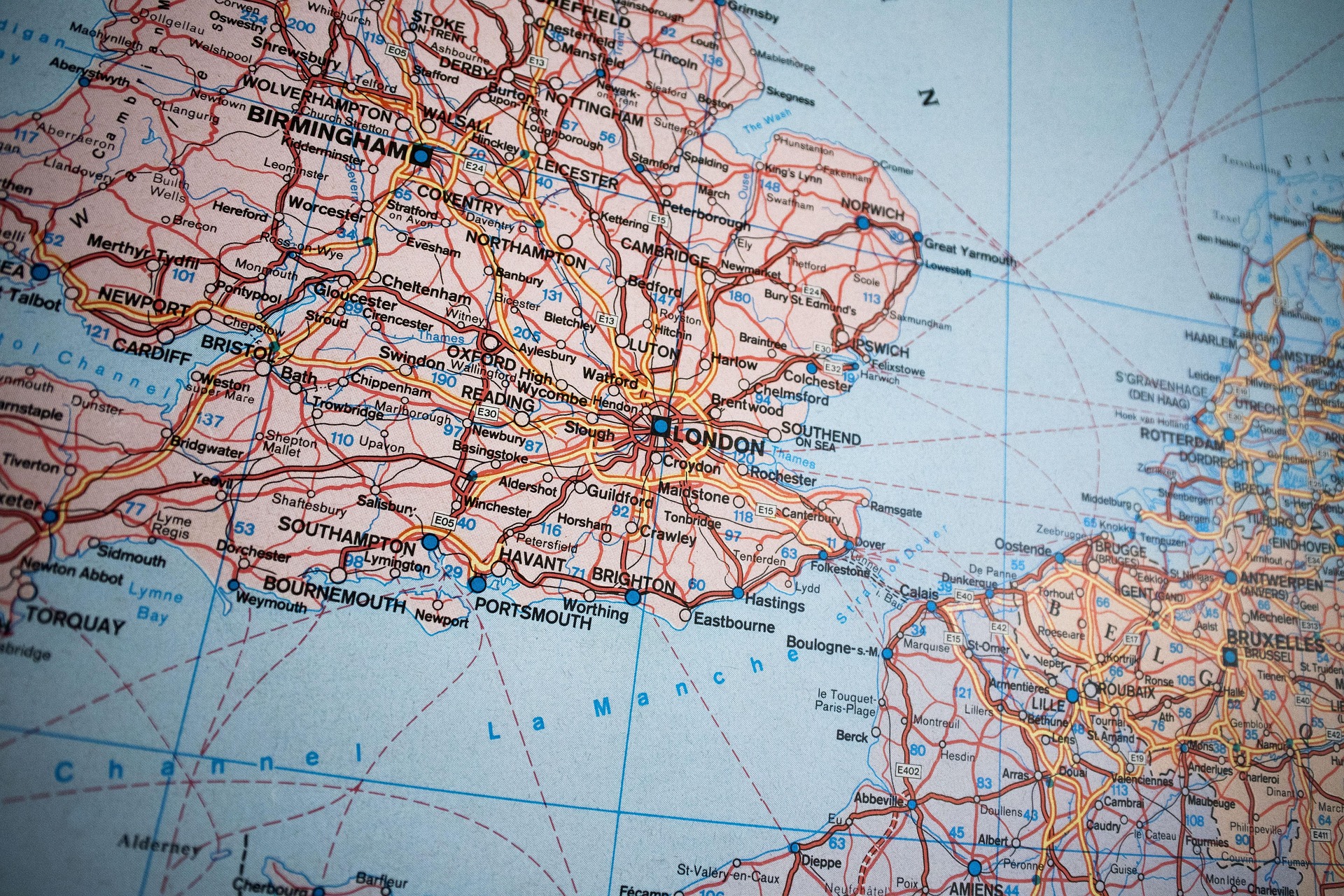
Our Channel Migrant Map is updated quarterly with verified figures, showing arrivals, trends, and patterns across the Channel. Unlike the daily Tracker, it uses curated data to exclude a small number of stateless refugees and other asylum seekers to give the clearest possible overview.